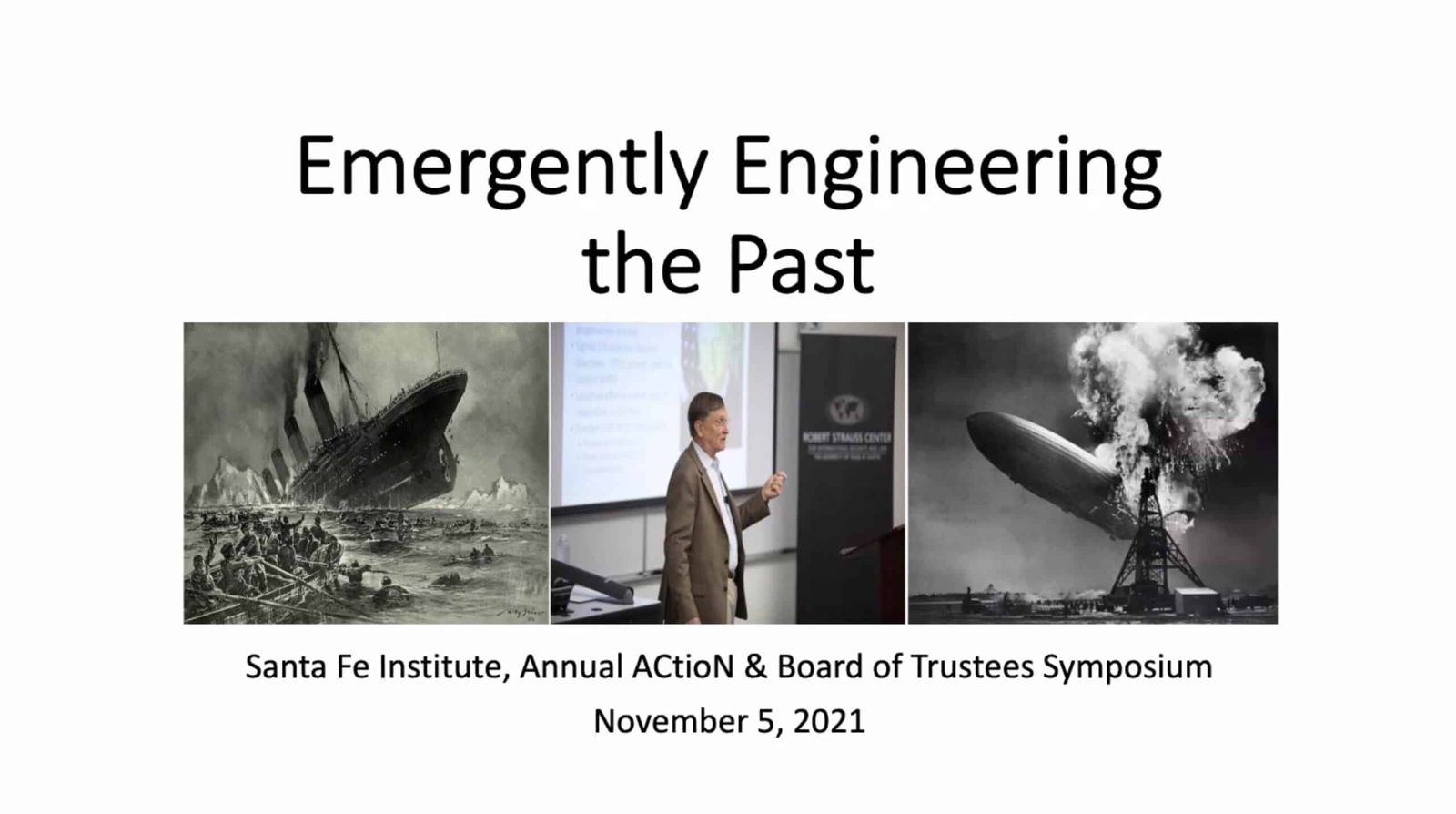
Santa Fe Emergent Engineering 2021: Niall Ferguson
Freeman Dyson famously wrote that “A good scientist is a person with original ideas. A good engineer is a person who makes a design that works with as few ideas as possible. There are no prima donnas in engineering.”
Most of what we call #history is the close study of tail events that really are interesting because of the scale of mortality, the spectacular nature of the failure, the nature that disasters are not evenly distributed.
The idea that manmade and natural disasters are the same is brilliantly presented in this cartoon in the North Carolina Health Bulletin in 1919...if it's death tolls you're interested in, there's a lot to be said for this point.
The bureaucratic control mechanisms of the 20th Century turn out to be a disaster multiplier...the US #bureaucracy of today is a bewildering pyramidal structures that I suspect would appal the Founding Fathers if they could see it.
I think if you ask who did best through the #pandemic last year, the answer would be #Taiwan — who used the crisis as an opportunity to build up tech infrastructure to improve the #antifragility of their governance and emergency response.
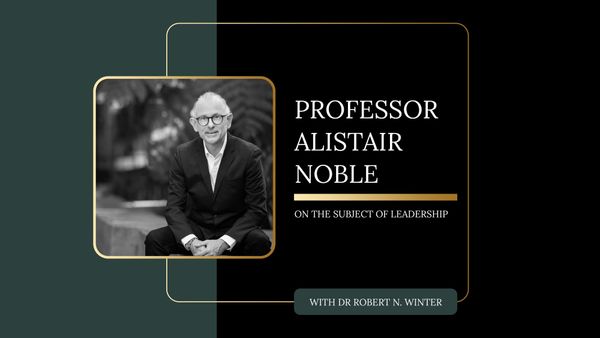
Dr Winter examines the tensions between leadership and management, the structures that hold organisations together, and the ideas that shape organisational life. His work sits where governance, culture, and strategy converge.
Most directors believe they want candour from their CEO. Most CEOs believe they provide it. Both are usually wrong. What Thucydides understood about Pericles, and what the research on boardroom silence confirms, explains why the gap between what is said and what is true keeps widening.
A practical method for how to turn AI into a thinking partner—surfacing assumptions, testing arguments, and strengthening decisions through disciplined cognitive friction.
AI makes language effortless—but thinking is done best when it is effortful. Thus, beware the “chat trap”: how casual use of generative AI can quietly soften judgement by replacing framing, definition, and trade-offs with fluent prose.
Metacognition is the discipline of noticing—and revising—your thinking in real time. It sharpens judgement, steadies emotion, and turns debriefs and assumption checks into a practical system for better decisions.