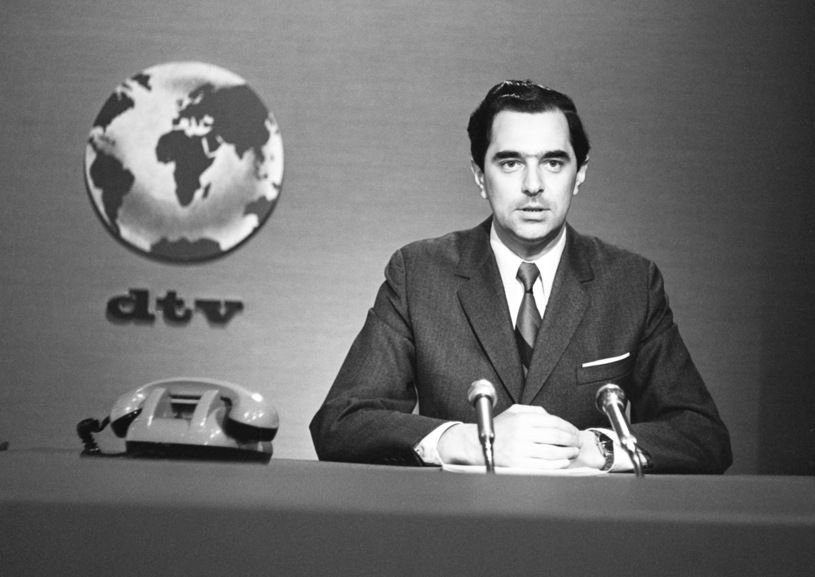

For those old enough to remember, or with a passion for early twenty-first century history, you may recall Mohammed Saeed al-Sahhaf (محمد سعيد الصحاف)—better known in the Western Hemisphere as 'Baghdad Bob'. He shot to prominence during the 2003 invasion of Iraq for saying things such as 'Baghdad is safe. The battle is still going on.', despite scenes of Iraqi troops running for cover and US tanks rumbling through the streets outside his impromptu press briefing. This farce is a case study in cognitive capture: leaders and their communications teams persisting with high-gloss messaging in the face of visibly collapsing operational realities.
Recent weeks have offered a depressing reminder of this approach, particularly if you are invested in—well, anything really. A sharp stock market downturn—the worst since the early weeks of the COVID pandemic—has stripped the varnish off attempts at political optimism. Economic indicators are blaring red, from earnings downgrades to ballooning volatility indices, and yet the commentary from pro-Trump leadership, and even financial columnists who should cynically be knowing better, remains doggedly optimistic about market upsides. Missives about bold futures and indomitable cultures fill social feeds like ticker tape from a different universe. To borrow from John Magee's soaring sonnet High Flight, leaders have 'slipped the surly bonds of Earth'. Sadly, they have not the face of God, but a narrative with no basis in reality.
When Symbolism Tries to Become Substance
There is a charitable reading of this phenomenon: leaders need to reassure. They are, at least in part, custodians of morale. But the ethical boundary is crossed when messaging stops masking an unpalatable but unavoidable reality, for instance that people will die in an attempt to capture a key strategic position, and when messaging seeks to displace reality—"everyone will be better off". When this occurs, it is more than just spin; it is what Blake Ashforth and Barrie Gibbs termed symbolic management—the tendency for organisations to increase their reliance on symbolic gestures and rhetoric when legitimacy is under threat.
People that chase too hard after the appearance of virtue risk the theatrical tragedy of overplaying their part. As Shakespeare's Queen Gertrude would have it, their insistence betrays too much. What was meant to assure begins to unsettle. Those who determinedly stay on message, despite all around them belying the truth, fall into three familiar archetypes.



Member discussion
The discussion is open to members of the Commons. Join, free, or sign in to take part.