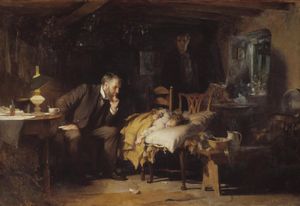

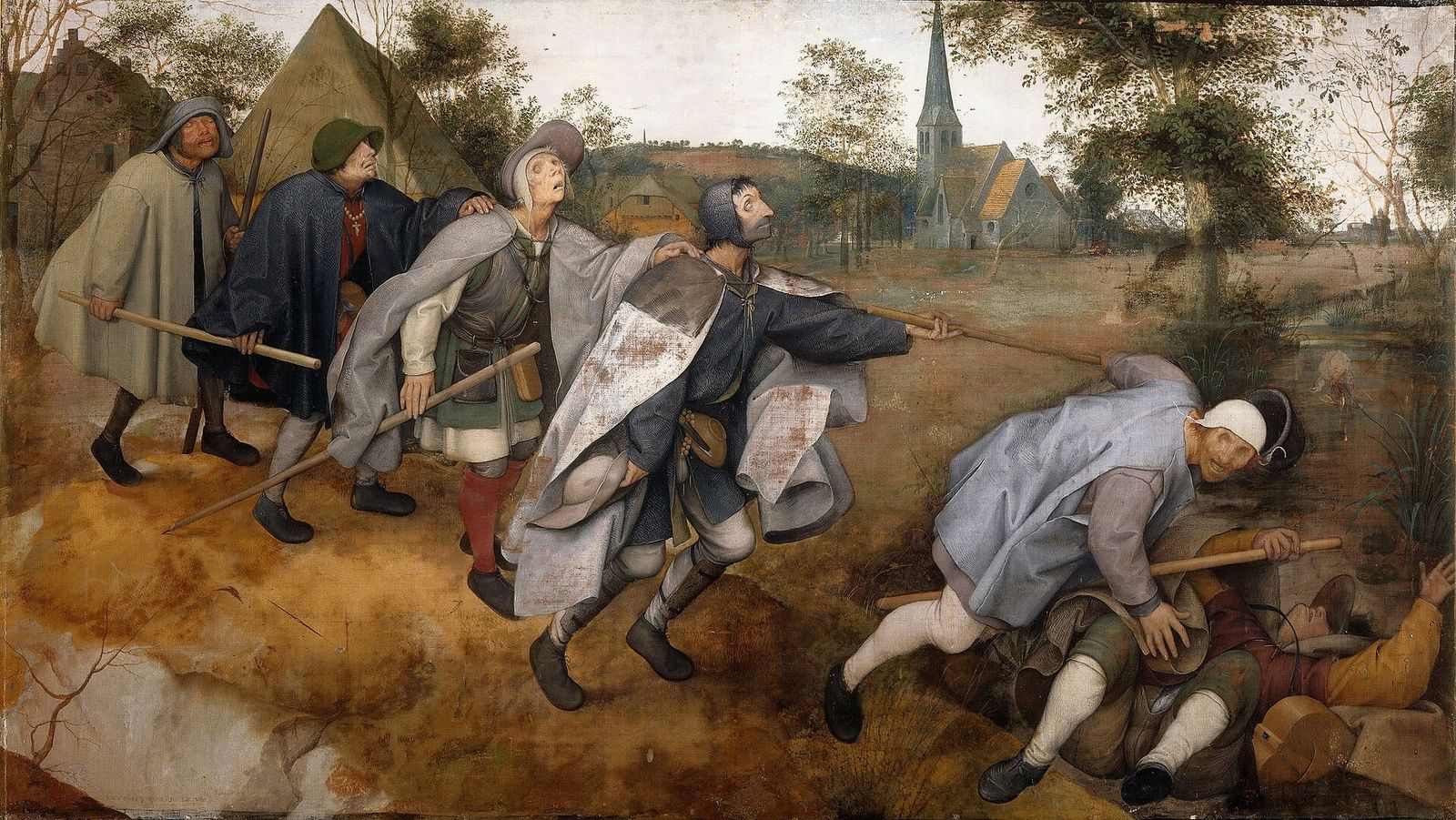
Why it persists Executives answer upward to a superior whose wishes they already know, agreement is recorded in the meeting rather than secured in the work, and prohibition is mistaken for control.
What to do Agree at the outset what success will be and how it will be measured, so that both haste and delay have a standard to meet, and ask boards to oversee how a technology is actually used rather than whether it is permitted.
People who expect to justify their views to an audience whose opinions they already know tend to shift those views towards the audience. That was the conclusion of a 1999 review of the experimental literature on accountability, which found conformity to be the likely response whenever the audience’s position is known before a judgement is formed (Lerner and Tetlock 1999, 256). Only when the audience’s views are unknown, and the obligation to explain arrives before the decision rather than after it, do people think in more self-critical and complex ways (Lerner and Tetlock 1999, 257). Most organisations build accountability on the first model, not the second: each executive answers to a superior whose preferences are no secret.
I think this explains more of organisational failure than the usual diagnoses of weak strategy or poor execution. An organisation can complete every procedural step of a transformation and still fail if accountability, alignment, and control all reward the appearance of progress over its substance. The thinking that built such a problem cannot be left to fix it, and part of the reason is the accountability machinery itself.
In the fifth episode of On the Subject of Leadership I spoke with Nick Hassett, an independent strategy execution adviser who has spent more than thirty years intervening in organisations at precisely that juncture. His work spans banking, essential infrastructure, technology, and sport, in Australia and Asia, and he describes it as mobilisation, intervention, and recovery. He is summoned when the politics are already difficult and the distance between what a board believes is happening and what is happening has grown wider than anyone has yet said aloud. The full conversation is available on the episode page.
What follows are the ideas from the conversation I have continued to turn over since.
 Dr Robert N. Winter



Member discussion
The discussion is open to members of the Commons. Join, free, or sign in to take part.